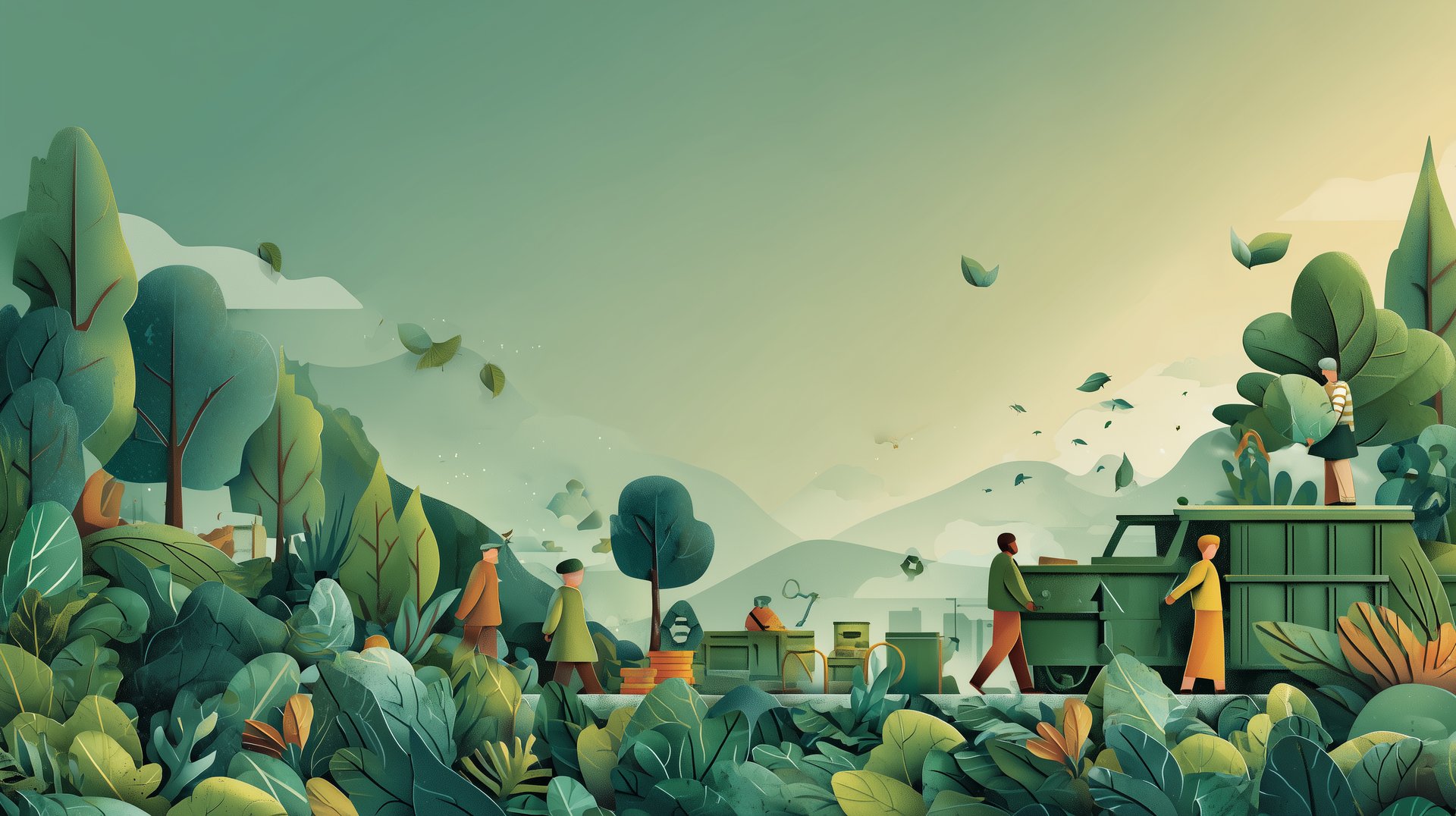
We work on three main areas of intervention:
· Waste prevention in generation, recovery and reintegration of recyclable materials
· Inclusive recycling
· Integrated solid waste management and restoration of degraded areas
Waste prevention, recovery, and diversion of recyclable materials
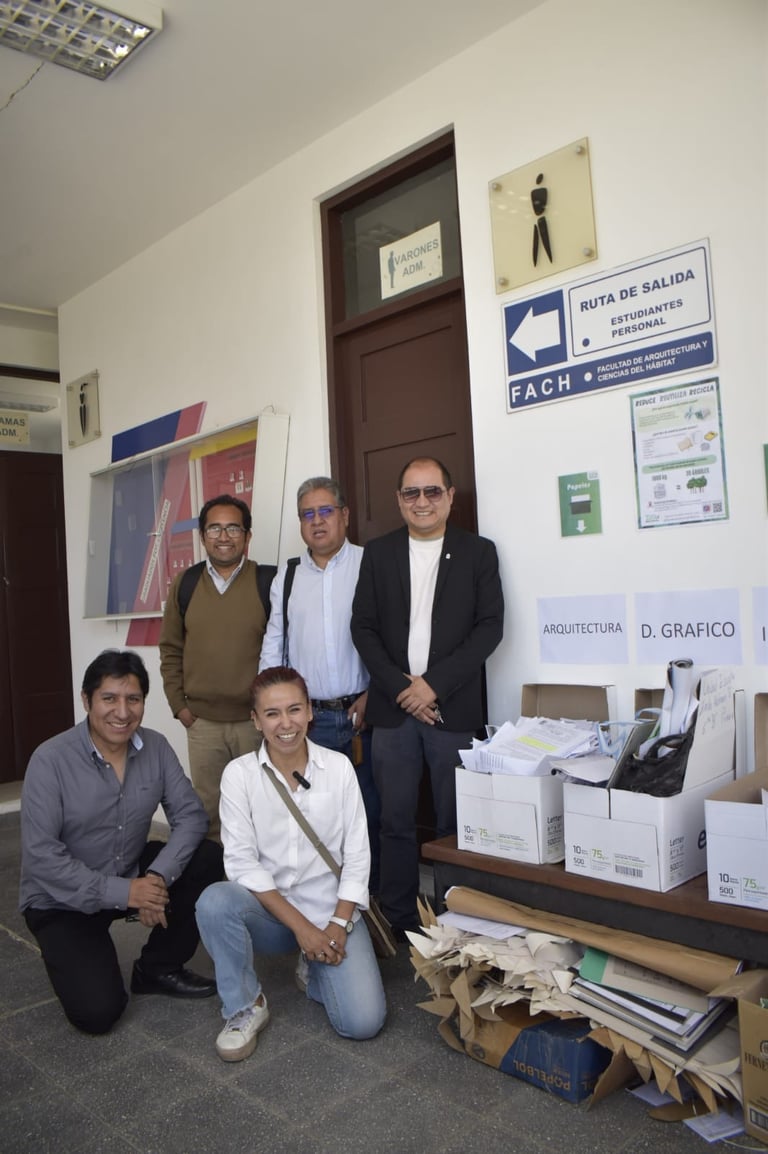
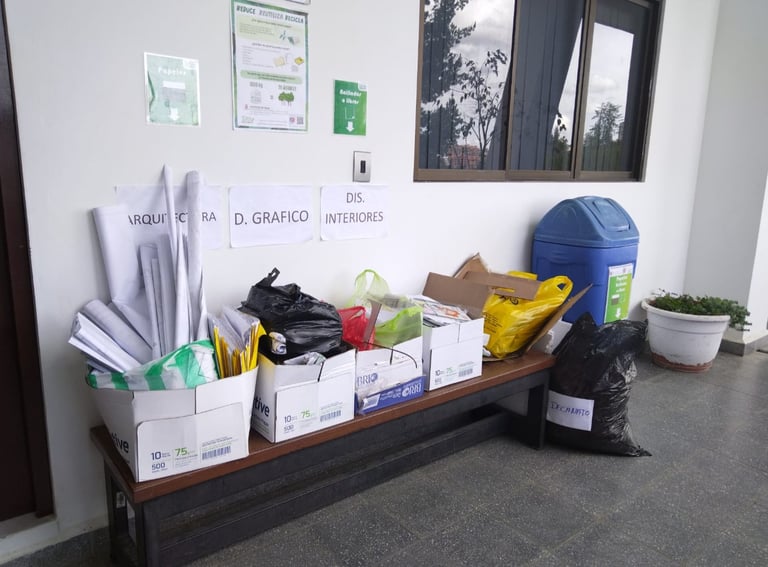
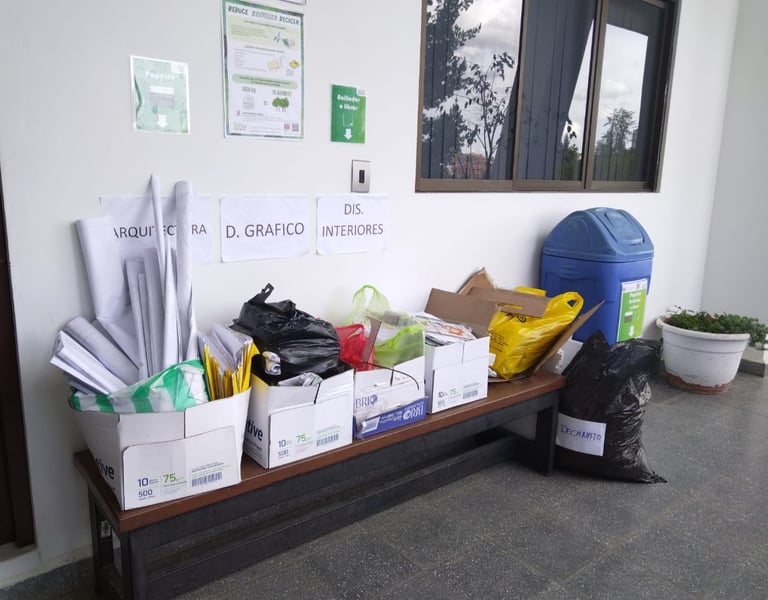
We focus primarily on education as a means of raising awareness and fostering recognition of collective and individual responsibility regarding the management of the waste we generate. This is achieved through the dissemination of sustainable practices for separation at the source, the development of differentiated collection mechanisms, and the identification of pathways for the reintegration of recyclable materials.
Inclusive Recycling
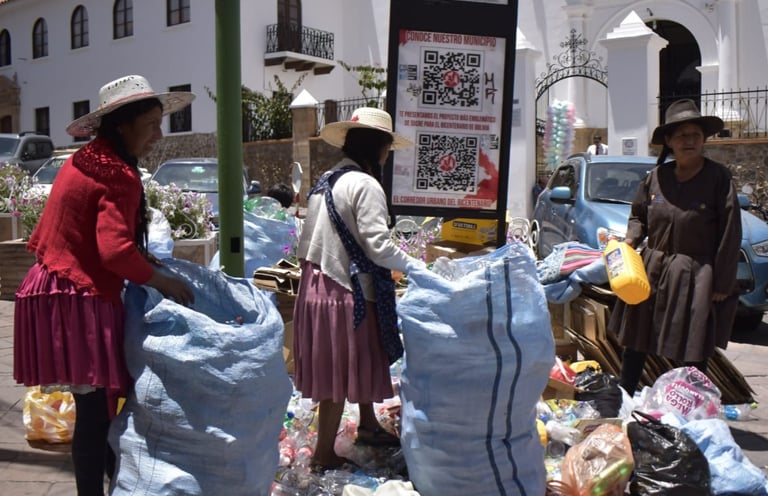
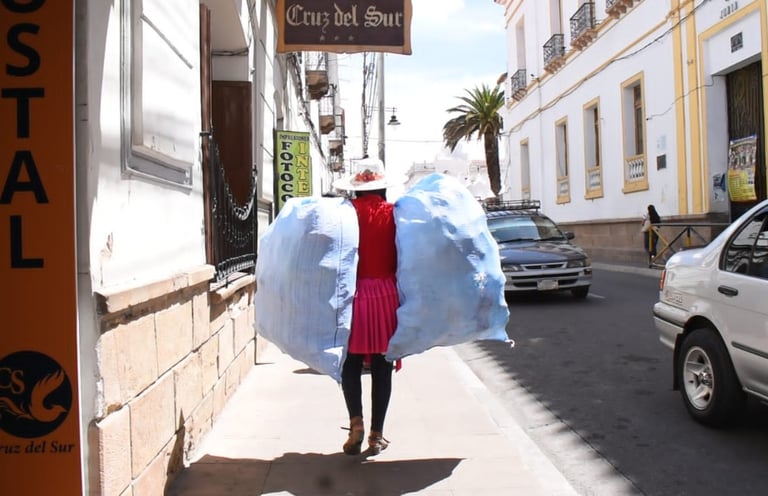
In Bolivia, as in most Latin American countries, the recovery of recyclable materials is carried out by street collectors, mostly poor, elderly women from rural areas. Although foreseen and legitimized by the 2015 Waste Management Act (Law n. 755, article 18), this group remains largely unrecognized by society, and consequently, inadequate and unsanitary working conditions persist. For our part, we integrate these men and women into the collection systems we have created with the goal of increasing the quantity and quality of recyclable materials they recover, while simultaneously increasing their income.
Integrated Solid Waste Management and Restauration of Degraded Areas
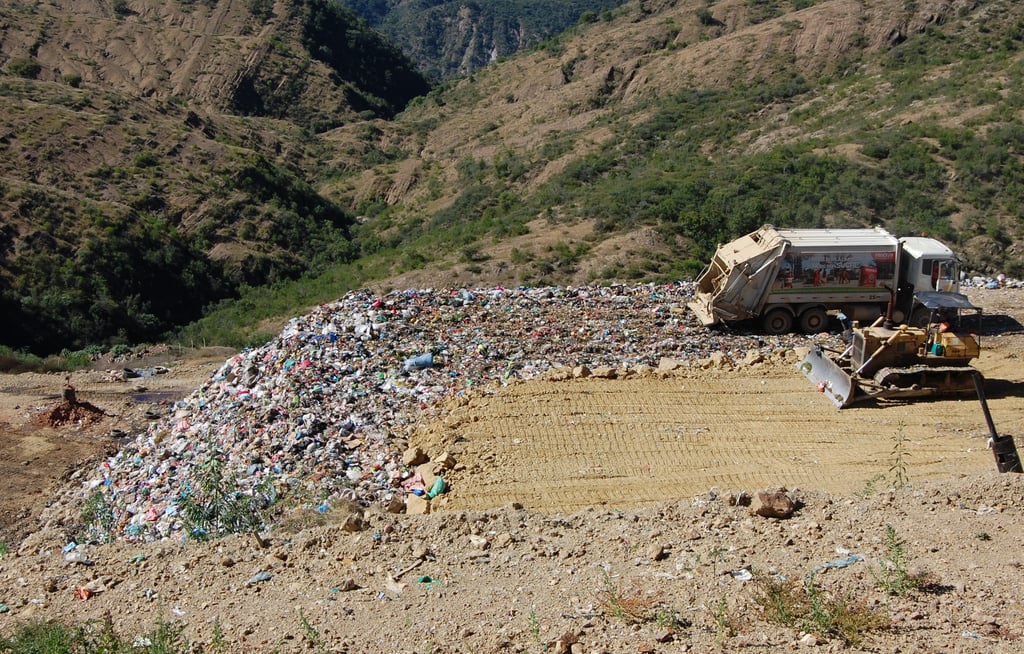
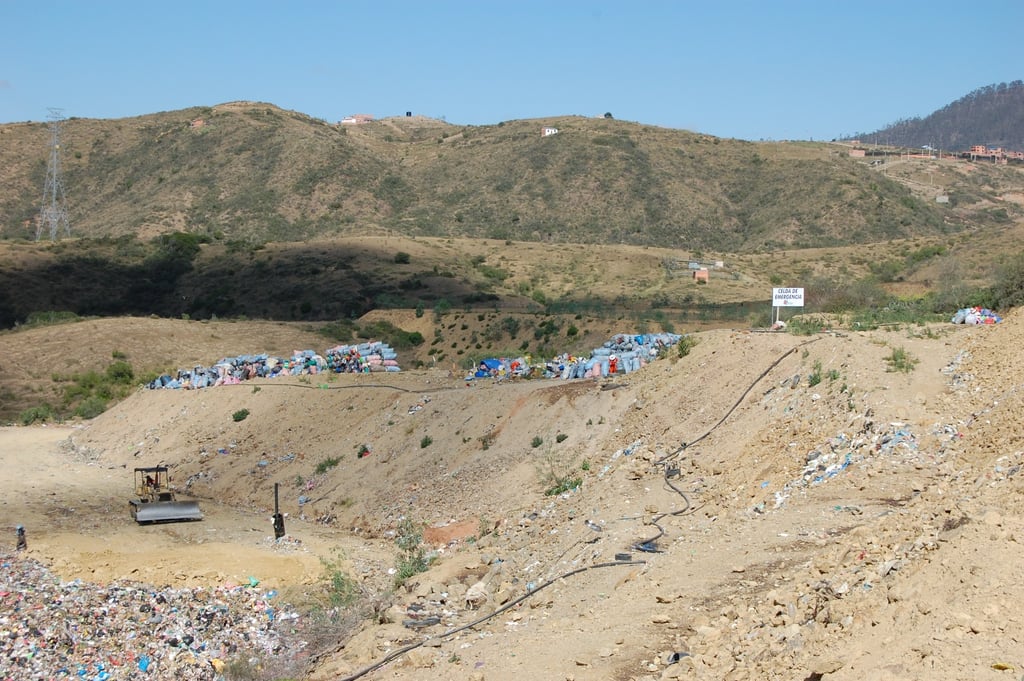
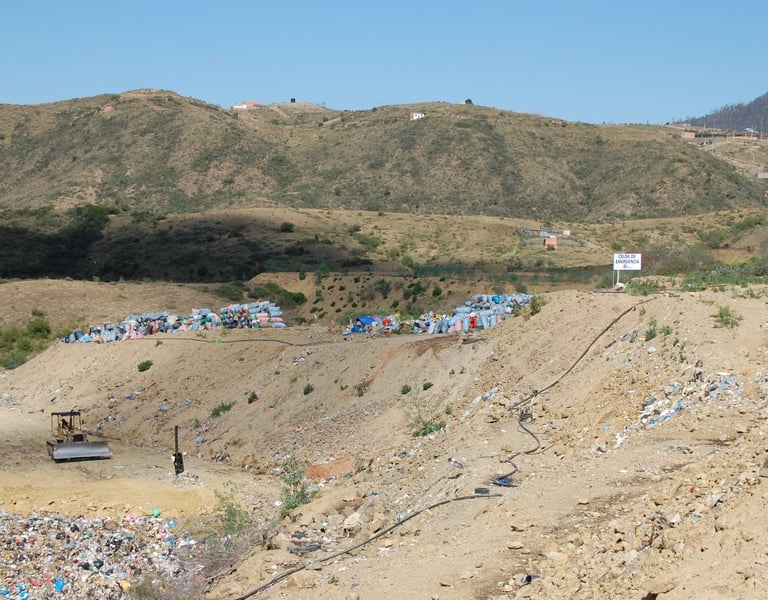
In solid waste management, various stakeholders are involved, and multiple activities are carried out. Their integration and organization, guided by a coherent approach, determine their chances of success. From generation to final disposal, we seek to intervene in the different phases and stages to optimize processes at each one of them, particularly the final disposal phase. Few municipalities in the country have a sanitary landfill. It is urgent to eliminate the use of open dumps, promote their proper closure, and monitor their environmental impacts in terms of gas emissions and leachate.
Contact
Please share your questions and suggestions
Email:
Phone:
+59175442411
© 2025. All rights reserved.
Address:
C. Alcides Dorbigni n. 26 Zona Mesa Verde. Sucre, BOLIVIA